
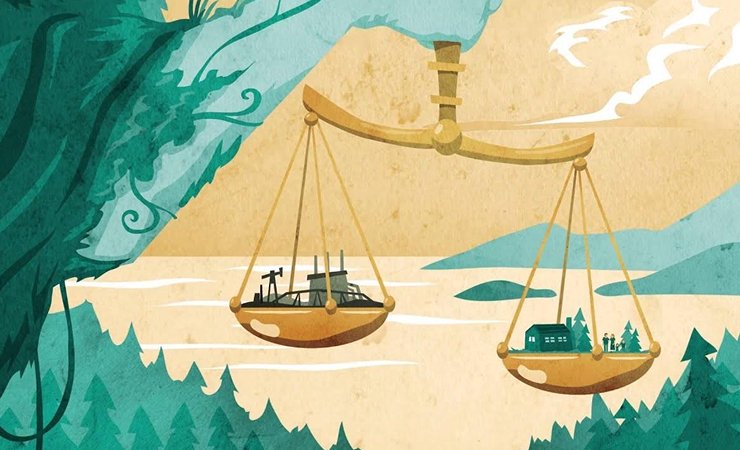
For a long time, the world treated sustainability as a moral conversation. Companies spoke about it in annual reports, campaigns, pledges, and carefully designed CSR pages. It appeared in boardroom presentations as something important, but often separate from the real engine of business: growth.
That separation is now beginning to look outdated.
The central question for business today is no longer whether sustainability matters. It clearly does. The bigger question is whether companies can continue to grow using the same old model of extraction, consumption, overproduction, and waste — and still expect the planet, society, and markets to absorb the consequences.
The answer is becoming increasingly difficult to defend.
The World Economic Forum’s Global Risks Report 2026 places climate and environmental risks within a wider landscape of geopolitical, economic, technological, and social instability. The report analyses global risks across short-, medium-, and long-term timeframes, reminding leaders that environmental pressure is not a distant issue but part of the operating reality businesses must now plan for.
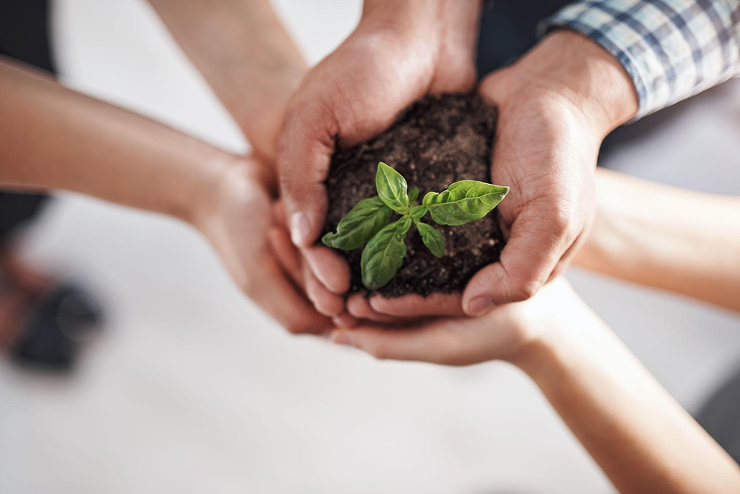
This matters because sustainability is no longer just about reputation. It is about business continuity.
A company that ignores water scarcity may eventually face operational disruption. A manufacturer that depends on vulnerable supply chains may suffer when extreme weather affects transport, energy, or raw material availability. A consumer brand that talks about sustainability without real proof may face public scrutiny. A real estate developer that ignores heat, flooding, or resource efficiency may build assets that become expensive to maintain and difficult to insure.
In other words, sustainability is no longer a “nice-to-have” value. It is becoming part of the architecture of serious business strategy.
The old argument was that businesses had to choose between profit and responsibility. But that binary is no longer useful. Sustainability, when done properly, can reduce waste, improve efficiency, lower long-term costs, strengthen trust, attract talent, and open new markets. The companies that understand this are not treating sustainability as a decorative layer. They are building it into sourcing, production, logistics, product design, finance, governance, and leadership.
This is why the conversation is shifting from ESG as reporting to sustainability as resilience.
A business may publish a beautifully designed sustainability report, but the real test lies elsewhere. Can it reduce dependence on scarce resources? Can it protect workers across the supply chain? Can it design products that last longer? Can it create less waste? Can it operate responsibly in water-stressed regions? Can it grow without simply transferring environmental and social costs to someone else?
Consumers, investors, and regulators are also becoming harder to impress. Vague language such as “eco-friendly,” “green,” or “conscious” is no longer enough. The modern audience wants proof. They want to know where materials come from, how workers are treated, what happens after a product is discarded, and whether a company’s business model matches its public messaging.
This is particularly true for sectors like fashion, beauty, food, hospitality, real estate, and consumer goods — industries where sustainability has quickly become both a brand opportunity and a credibility risk.
Recent climate and sustainability reporting has also highlighted how rising demand for resources, packaging, minerals, biofuels, and fast-consumption products continues to increase pressure on natural ecosystems. A report covered by The Guardian warned that rainforests are being pushed to a breaking point by demand for resources linked to industries such as mining, agriculture, biofuels, packaging, and fast fashion.
The businesses that succeed in the next decade will likely be those that stop asking, “How do we look sustainable?” and begin asking, “How do we become structurally better?”
That difference is crucial.
Looking sustainable is a communication exercise. Becoming sustainable is a business transformation exercise.
It requires leaders to think beyond campaigns. It requires finance teams to understand climate risk, marketing teams to avoid greenwashing, operations teams to reduce waste, and boards to treat environmental and social risk as seriously as financial risk. It also requires honesty. No company is perfectly sustainable. But companies that are transparent about where they are improving and where they still fall short may earn more trust than those that hide behind perfect language.
Growth is not the enemy of sustainability. Irresponsible growth is.
The future of business should not be about shrinking ambition. It should be about improving the quality of ambition. Businesses can still grow, but the definition of growth must evolve. Growth cannot only mean more production, more consumption, and more extraction. It must also mean better design, better systems, better accountability, better resource use, and better long-term value.
A company that grows while damaging the conditions that allow society to function is not truly successful. It is only postponing the cost.
The better business of the future will not be the one that chooses between growth and responsibility. It will be the one that understands that responsibility is what makes growth durable.
Sustainability should not sit at the end of a corporate strategy. It should shape the beginning of it.
The real leadership question is not whether businesses can afford to become more sustainable.
The real question is whether they can afford to remain unsustainable in a world that is becoming more exposed, more informed, and less forgiving.