
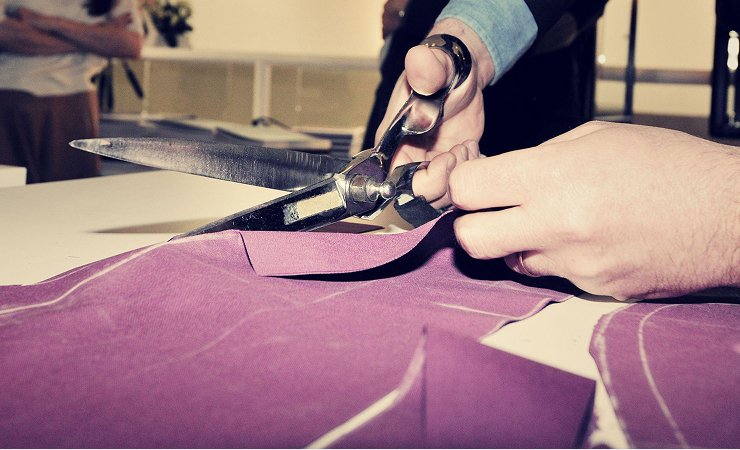
For decades, modern consumption was built on a simple formula: make more, sell more, use briefly, discard quickly, and repeat.
It was convenient. It was profitable. It made products cheaper, trends faster, and lifestyles more accessible. But it also created something far more dangerous than waste. It created a culture of disposability.
We began to treat packaging as disposable, clothing as disposable, electronics as disposable, furniture as disposable, and eventually, responsibility itself as disposable.
The circular economy challenges that entire mindset.
It asks a better question: what if the future of consumption is not about buying more, but wasting less?
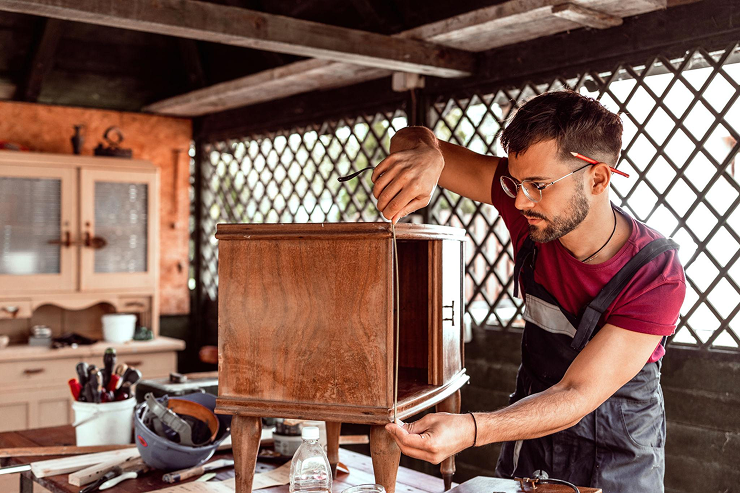
Circularity is often misunderstood as another word for recycling. But recycling is only one part of the conversation. A circular economy begins much earlier. It asks how products are designed, how materials are sourced, how long things last, whether they can be repaired, reused, refurbished, resold, or safely returned into the production cycle.
The World Circular Economy Forum, led by Finland and Sitra, brings together business leaders, policymakers, and experts to showcase circular economy solutions from around the world. The next World Circular Economy Forum is scheduled to be held in India in autumn 2026, marking a significant moment for India’s role in the global circularity conversation.
This timing matters.
India is one of the most important markets for the future of consumption. It has scale, manufacturing capacity, young consumers, growing cities, and rising purchasing power. If circularity becomes part of India’s growth story, it can influence not only waste management but also design, business models, urban systems, fashion, packaging, electronics, and construction.
The old economy was linear: take, make, waste.
The better economy must be circular: design, use, return, regenerate.
For businesses, circularity is not just an environmental idea. It can become a competitive advantage. A product that lasts longer builds trust. A repair system extends the relationship between brand and consumer. A resale model creates new revenue. A refurbished product reaches a new customer segment. A company that reduces dependence on virgin materials can become more resilient to resource volatility.
The World Circular Economy Forum describes circular economy approaches as a way for businesses to seize new opportunities, gain competitive advantage, and contribute to the United Nations Sustainable Development Goals.
This is why circularity should not be seen as a small sustainability trend. It is a redesign of business logic.
Fashion offers one of the clearest examples. For years, the industry was shaped by speed: new collections, new trends, new drops, new reasons to buy. But the rise of resale, vintage fashion, rental platforms, repair services, and conscious material conversations is changing the idea of value. A garment is no longer valuable only because it is new. It may also be valuable because it is well-made, traceable, repairable, or emotionally durable.
Luxury is also changing.
The old definition of luxury was built around rarity, price, and status. The new definition may include longevity, craftsmanship, sustainability, and responsibility. A product that lasts may become more desirable than a product that merely looks fashionable for one season. A brand that repairs may become more respected than a brand that only replaces.
This shift is not limited to fashion. It can be seen in furniture, architecture, electronics, watches, cars, packaging, and even food systems. People are beginning to question whether constant replacement is really progress.
But circularity must be real. It cannot become another marketing word.
A brand cannot claim circularity while continuing to depend on overproduction. A company cannot launch one sustainable line while the rest of its business model encourages waste. A city cannot call itself circular if waste is only moved from one invisible corner to another. Real circularity requires design thinking, reverse logistics, repair infrastructure, consumer education, material innovation, and honest measurement.
This is why circularity is difficult — and why it matters.
It forces companies to confront the full life of a product, not just the moment of sale.
The most responsible brands of the future may not be those that simply sell more responsibly packaged goods. They may be the brands that rethink why so much needs to be produced, discarded, and replaced in the first place.
Throwaway culture was never only about waste. It was about mindset.
It taught us that convenience is more important than consequence and that disposal is someone else’s problem.
Circularity offers a better way forward. It does not ask us to stop creating, buying, designing, or growing. It asks us to do all of it with more intelligence.
The future of consumption may not belong to the brands that sell the most. It may belong to the brands that waste the least.