
For decades, medicine has largely followed a reactive model: we wait for disease to appear, diagnose it, and then begin treatment. While this approach has undoubtedly saved countless lives, it often intervenes only after damage has already occurred.
Today, healthcare is entering a new era in which prevention is becoming increasingly personalised.
Precision medicine is transforming the way we understand health by recognising a simple but powerful truth: no two people are biologically identical. Our genes, lifestyles, environments, and even our responses to medications differ in ways that can significantly influence disease risk and treatment outcomes.
Instead of asking, “What is the best treatment for this disease?”, we are beginning to ask, “What is the best approach for this individual?”
Nowhere is this transformation more important than in cardiovascular health.
Cardiovascular disease remains the leading cause of death worldwide, yet many serious cardiac events occur in individuals who never considered themselves to be at high risk. Traditional risk assessments are valuable, but they cannot always identify those carrying inherited genetic variants that silently increase their likelihood of developing life-threatening conditions.
As a researcher in cardiovascular genetics and precision medicine, I have seen how advances in genomic science are changing this reality.
Today, genetic testing can identify individuals with inherited cardiac conditions long before symptoms develop. Families with a history of sudden cardiac death, cardiomyopathies, or inherited arrhythmias can now benefit from earlier screening, personalised monitoring, and preventive interventions that may ultimately save lives.
This represents a profound shift in healthcare. Rather than treating disease after it appears, we now have the opportunity to anticipate risk before it becomes illness.
Yet precision medicine extends far beyond genetics.
Artificial intelligence is rapidly becoming an essential partner in modern healthcare. By analysing enormous volumes of clinical data, imaging, laboratory results, and genomic information, AI can reveal patterns that may be impossible for humans to detect alone.
These technologies are helping clinicians estimate cardiovascular risk more accurately, predict disease progression, and support more informed clinical decisions.
Importantly, AI is not replacing physicians. It is enhancing our ability to deliver better, more individualised care.
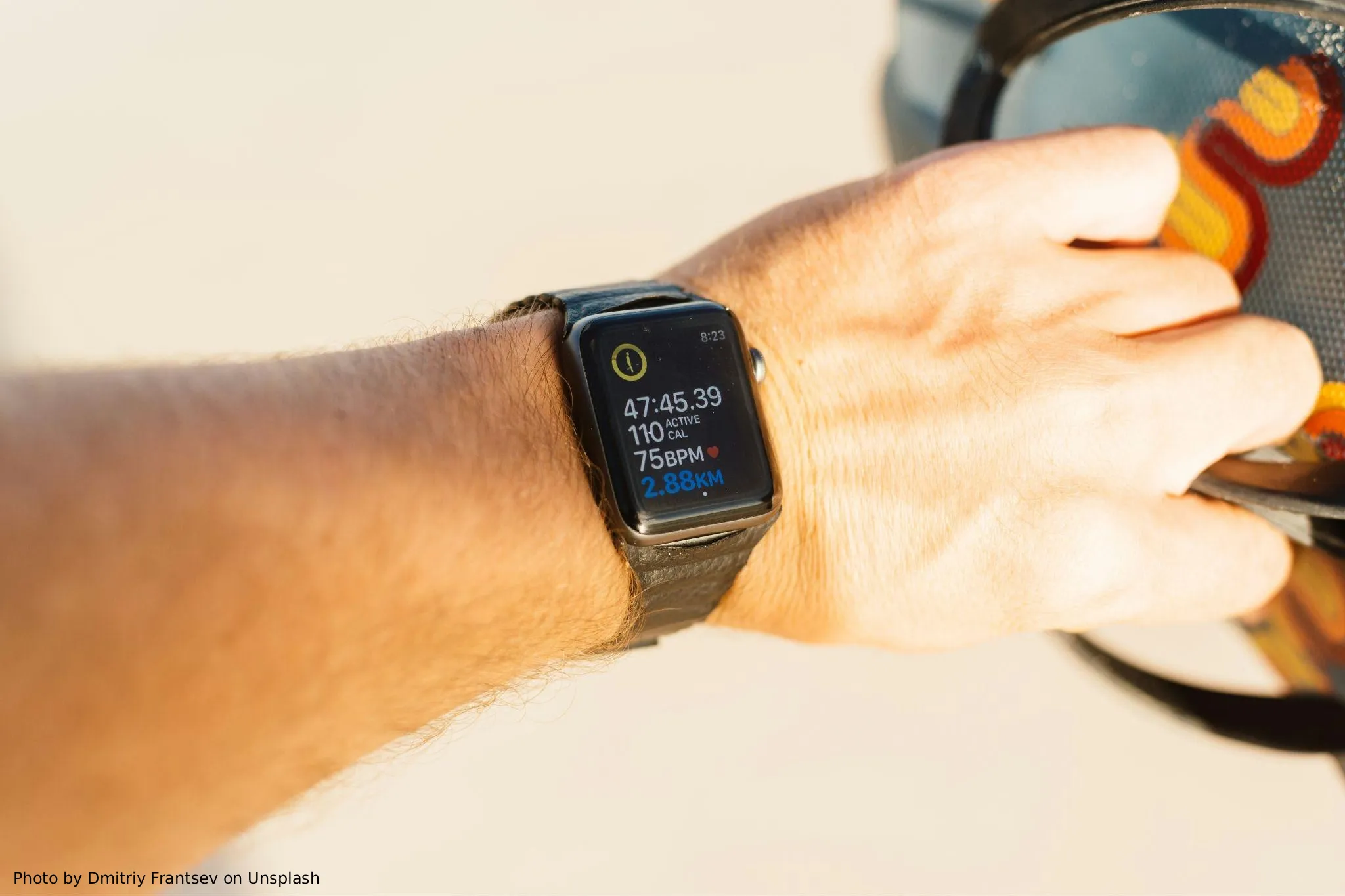
At the same time, wearable technologies and digital health platforms are empowering patients themselves. Smartwatches can detect irregular heart rhythms, mobile applications encourage healthier lifestyles, and remote monitoring allows healthcare teams to identify warning signs earlier than ever before.
Prevention is no longer confined to the clinic. It is becoming part of everyday life.
Despite these remarkable advances, technology alone is not enough.
The future of healthcare depends on trust. Patients must feel confident that their genetic information and personal health data are handled responsibly, ethically, and securely.
As precision medicine becomes more integrated into routine care, protecting privacy, ensuring equitable access, and reducing disparities between populations will be just as important as scientific innovation itself.
Another important challenge is representation.
A large proportion of genomic research has historically focused on populations of European ancestry, leaving many regions, including the Middle East, underrepresented. Expanding research within diverse populations is essential to ensure that precision medicine benefits everyone equally and that predictive tools remain accurate across different genetic backgrounds.
The goal is not simply to build smarter technology.It is to build a healthcare system that understands each patient as an individual rather than a statistic.
The medicine of tomorrow will not be defined solely by breakthrough discoveries, but by our ability to deliver the right prevention to the right person at the right time.
Healthcare is becoming more predictive than reactive, more personalised than generalised, and ultimately more human.
That future is no longer a distant vision. It has already begun.
About the Author
Dr. Sara M. Abou Al-Saud is a cardiovascular scientist with a particular focus on cardiovascular genetics, precision medicine, and the early prediction of cardiovascular disease. Through her writing, Dr. Abou Al-Saud aims to make complex scientific ideas accessible to a broader audience, spark conversations about the future of healthcare, and encourage thoughtful dialogue on precision medicine, artificial intelligence and the evolving role of science in shaping healthier societies.
References:
World Health Organization (2026). Cardiovascular diseases.