
The words educators use do not just describe students. They shape how we see them, how students see themselves, and ultimately, what they believe they can become.
The phrase “at-risk student” has been woven into the fabric of education. It appears in state school report cards, school improvement plans, grant applications, district reports, professional development sessions, and everyday conversations among educators. Most often, the label is intended to identify students who may need additional academic, social, emotional, or economic support so that educational barriers can be removed. But what if the language we use unintentionally reinforces those barriers or, even worse, creates new ones?
A growing body of educational and psychological research suggests that words matter. Labels can influence expectations, expectations can shape opportunities, and opportunities can affect outcomes. When students are repeatedly described by what they lack rather than what they possess, those descriptions may become internalised, contributing to lower confidence, reduced motivation, and weaker academic engagement.
For more than two decades, I have challenged educators to rethink this narrative. Rather than describing students as at-risk, I encourage educators to see them as at-promise: young people whose strengths, resilience, and potential deserve to be recognised and cultivated.
This shift is more than semantics. It is a mindset that can transform school culture and improve student outcomes, one person at a time.
The Hidden Cost of Deficit-Based Labels
Connotations matter.
Research on labelling theory suggests that people may begin to identify with the labels placed upon them, particularly during childhood and adolescence, when their personal identities are still developing. Similarly, research on stereotype threat suggests that awareness of negative stereotypes or low expectations can create psychological pressure and, in certain contexts, affect performance. When students are consistently viewed through the lens of deficiency, they may begin to believe that those limitations define them.
Research indicates that implicit bias and deficit-based thinking can influence how educators perceive student ability, behaviour, and potential. When educators unconsciously lower expectations because of deficit-based labels, students may receive less rigorous instruction, fewer opportunities for growth, and diminished encouragement.
Students from historically marginalised groups may also experience disproportionate disciplinary action, identification for certain special education services, and reduced access to advanced academic opportunities, even when their abilities or behaviours are comparable to those of their peers. Over time, these experiences send a powerful message about who is expected to succeed.
When children consistently experience, directly or indirectly, that they are problems to solve rather than promises to develop, it can affect their confidence, sense of belonging, and willingness to engage in school. The impact can be long-lasting and extend beyond the students themselves.
None of this minimises the real challenges many students face. Poverty, trauma, learning differences, unstable housing, and systemic inequities require meaningful resources and thoughtful intervention. The question is whether those circumstances should define the student.
I believe they should not.
From “At-Risk” to “At-Promise”
Throughout my career teaching elementary, middle, high school, adult education, and alternative education students, I observed a common thread: every student wanted to be seen, believed in, and challenged.
While leading an alternative school programme serving students who had often experienced childhood trauma, chronic absenteeism, or academic disengagement, I recognised that traditional interventions rarely addressed belief. That realisation inspired the development of my G.R.O.W. Time framework, a holistic approach built around four essential pillars:
- Growth
- Resilience
- Optimism
- Wealth
Rather than focusing solely on academic performance, G.R.O.W. Time integrates social-emotional learning, financial literacy, career exploration, personal development, and life readiness. The framework helps students build confidence, discover their strengths, and develop the skills needed to thrive beyond graduation.
The results demonstrate what becomes possible when schools intentionally invest in students’ potential. Under my leadership, graduation rates within an alternative education programme increased significantly, while students also achieved meaningful academic gains, including strong state assessment performance.
Those outcomes were not produced by lowering expectations. They were achieved by raising expectations while increasing support.
Why Belonging Matters
Research consistently links self-efficacy and a sense of belonging with student engagement, persistence, motivation, and achievement. Psychologist Albert Bandura’s work on self-efficacy suggests that students who believe they are capable of succeeding are more likely to persevere through challenges, recover from setbacks, and pursue ambitious goals.
Likewise, research by Gregory Walton and Geoffrey Cohen has shown that students who feel they belong within their school community may experience higher levels of engagement, motivation, persistence, and long-term academic success.
My philosophy aligns closely with these findings. Instead of asking:
“What is wrong with this student?”
I encourage educators to ask:
“What strengths can we build upon?”
That simple shift can change conversations, relationships, and, ultimately, outcomes.
Language Shapes School Culture
Changing one phrase will not solve every challenge facing education. But language establishes culture.
When schools consistently describe students by their strengths instead of their struggles, conversations begin to change. Teachers recognise assets before obstacles. Administrators measure growth alongside achievement. Students hear messages of possibility instead of predictions of failure. Over time, those messages become part of a school’s identity.
The growing movement towards strengths-based language reflects this understanding. Across the country, educators are replacing deficit-focused terminology with language that emphasises opportunity, resilience, and potential. This is not because challenges disappear, but because students are more than the circumstances they face.
Five Ways Schools Can Begin Today
Schools do not need sweeping policy changes to embrace an asset-based mindset. Small, intentional actions can create meaningful change.
1. Replace Deficit-Based Language
Review policies, reports, and everyday conversations for terms that define students by their limitations rather than their potential.
2. Maintain High Expectations While Expanding Support
Believing in students means providing both rigorous opportunities and the resources necessary for success.
3. Prioritise Authentic Relationships
Students engage more deeply when they know adults genuinely care about them as people, not simply as statistics.
4. Teach Life Alongside Academics
Emotional wellness, financial literacy, career readiness, goal-setting, and resilience should be essential components of every student’s education. My G.R.O.W. Time framework demonstrates how these skills can be intentionally woven into the school experience.
5. Celebrate Growth
Recognise perseverance, improvement, and progress, not simply perfection or proficiency.
Seeing Students for Who They Can Become
Every student enters school carrying a unique story. Some arrive with advantages. Others arrive carrying burdens they never chose. But every student also arrives with promise.
Perhaps the greatest lesson from my work is that educational transformation begins with belief. Students require effective instruction, equitable resources, and strong support systems. They also need educators who refuse to define them by statistics, circumstances, or labels.
When schools choose to see students as at-promise, they communicate something powerful:
“We believe your future is greater than your past.”
That belief can become the foundation upon which confidence grows, resilience develops, and achievement follows.
Sometimes, changing a student’s future begins by changing the words we choose today.
About the Author
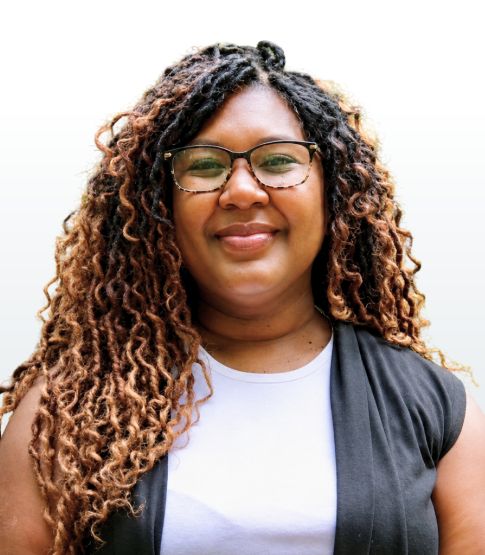
Ms. Philisa Bennett, Ed.S., GCDF, is an accomplished educator, curriculum specialist, and educational consultant with more than two decades of experience spanning K–12 education, adult learning, career development and community engagement. Her expertise includes curriculum innovation, strategic planning, mentorship and workforce development to make an impact on learners and educators.
Sources:
Examining Implicit Biases of Pre-Service Educators Within a Professional Development Context
A brief social-belonging intervention improves academic and health outcomes of minority students